
Pharmaceutical Grade Polyethylene Glycol (PEG)
Versatile Excipients for Modern Pharmaceutical Formulations
Premium Pharmaceutical PEG Manufacturer, Exporter & Supplier in India
Pharcogol® is our premium range of Polyethylene Glycols (PEGs) designed specifically for the pharmaceutical industry. Manufactured in WHO GMP-certified facilities, Pharcogol offers exceptional purity, consistency, and compliance with major pharmacopoeias (USP, USP-NF, EP, BP, IP).
Available in a wide range of molecular weights from liquid PEG 200 to solid PEG 20000, Pharcogol serves as a versatile excipient for liquid, semi-solid, and solid dosage forms.
Specialty API Grades
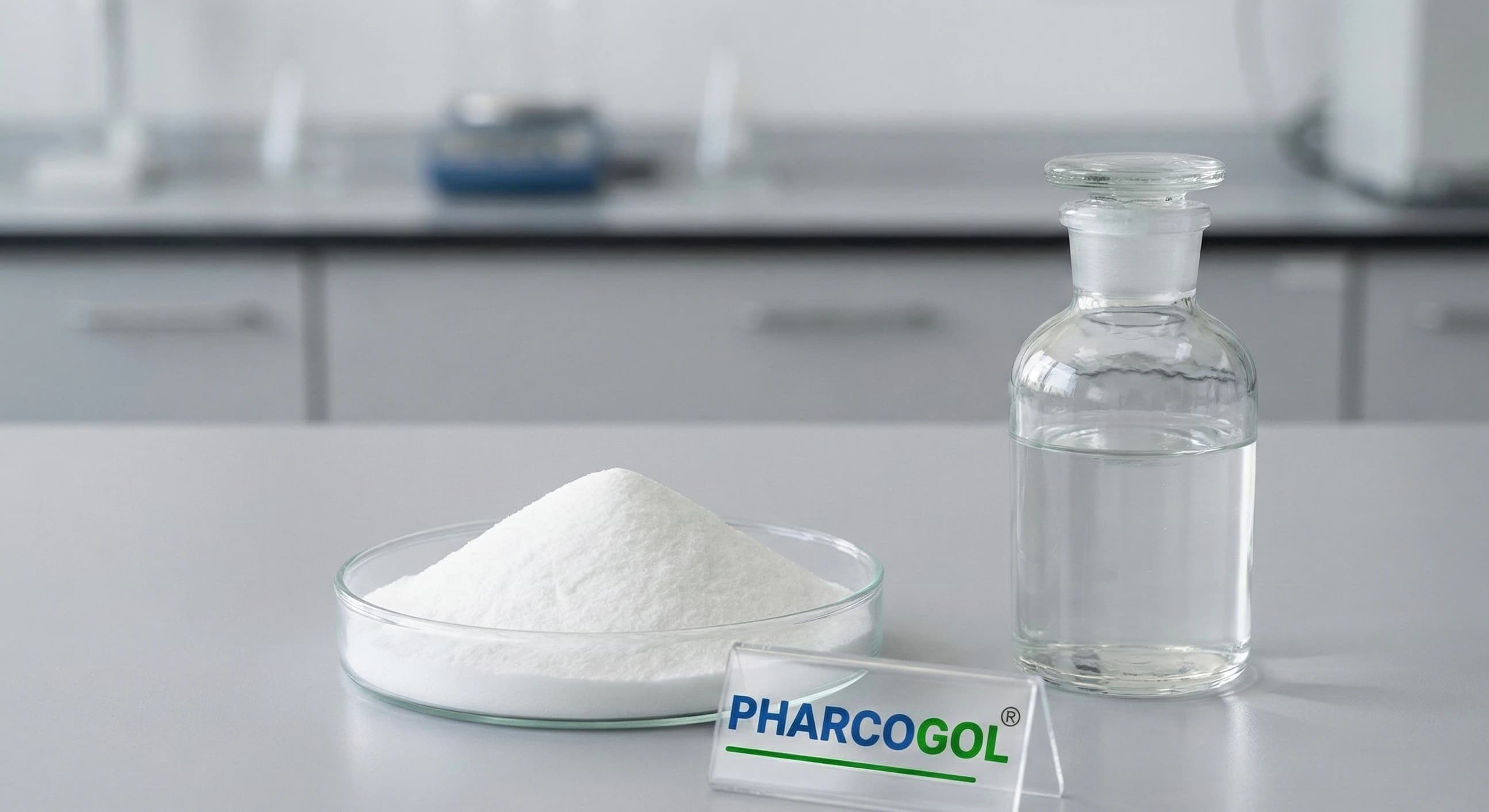
High-purity Active Pharmaceutical Ingredient (API) grades for specific therapeutic applications
Pharcogol 3350
USP Grade APIPharmaceutical-grade Polyethylene Glycol 3350, specifically manufactured as an Active Pharmaceutical Ingredient for osmotic laxative formulations.
Pharcogol 4000
EP/BP Grade APIMacrogol 4000 complying with European and British Pharmacopoeia standards, used as an API for laxatives and bowel preparation.
Pharcogol (Polyethylene Glycol) Product Range
Comprehensive range of pharmaceutical-grade PEGs for every formulation need
| Product | Physical Form | Applications | Compliance |
|---|---|---|---|
Pharcogol 200 PEG 200 (Polyethylene Glycol 200) | Liquid | SolventPlasticizer+1 | USP-NF |
Pharcogol 300 PEG 300 (Polyethylene Glycol 300 | Macrogol 300) | Liquid | SolventPlasticizer+1 | USP-NFEPBP |
Pharcogol 400 PEG 400 (Polyethylene Glycol 400 | Macrogol 400) | Liquid | SolventPlasticizer+1 | USP-NFEPBP |
Pharcogol 600 PEG 600 (Polyethylene Glycol 600 | Macrogol 600) | Liquid | SolventPlasticizer+1 | USP-NFEPBP |
Pharcogol 800 PEG 800 (Polyethylene Glycol 800) | Liquid | PlasticizerOintment Base | USP-NF |
Pharcogol 1000 PEG 1000 (Polyethylene Glycol 1000 | Macrogol 1000) | Semi-Solid | Suppository BaseOintment Base+2 | USP-NFEPBP |
Pharcogol 1450 PEG 1450 (Polyethylene Glycol 1450 | Macrogol 1450) | Flakes | Suppository BaseOintment Base+2 | USP-NFEPBPIP |
Pharcogol 1500 PEG 1500 (Polyethylene Glycol 1500 | Macrogol 1500) | Flakes | Suppository BaseOintment Base | USP-NFEPBP |
Pharcogol 3350 PEG 3350 (Polyethylene Glycol 3350 | Macrogol 3350) | FlakesPowder | BinderMatrix Systems+2 | USPEPBPIP |
Pharcogol 4000 PEG 4000 (Polyethylene Glycol 4000 | Macrogol 4000) | FlakesPowder | Tablet BinderControlled Release Matrix+1 | USP-NFEPBPIP |
Pharcogol 6000 PEG 6000 (Polyethylene Glycol 6000 | Macrogol 6000) | FlakesPowder | StabilizerBinder+1 | USP-NFEPBP |
Pharcogol 8000 PEG 8000 (Polyethylene Glycol 8000 | Macrogol 8000) | FlakesPowder | BinderSustained Release+1 | USP-NFEPBP |
Pharcogol 10000 PEG 10000 (Polyethylene Glycol 10000 | Macrogol 10000) | FlakesPowder | BinderSustained Release+2 | USP-NFEPBP |
Pharcogol 20000 PEG 20000 (Polyethylene Glycol 20000 | Macrogol 20000) | FlakesPowder | Sustained ReleaseBinder+2 | USP-NFEPBP |
Versatile Applications
Pharcogol PEGs are essential excipients across a wide range of pharmaceutical formulations
Liquid Formulations
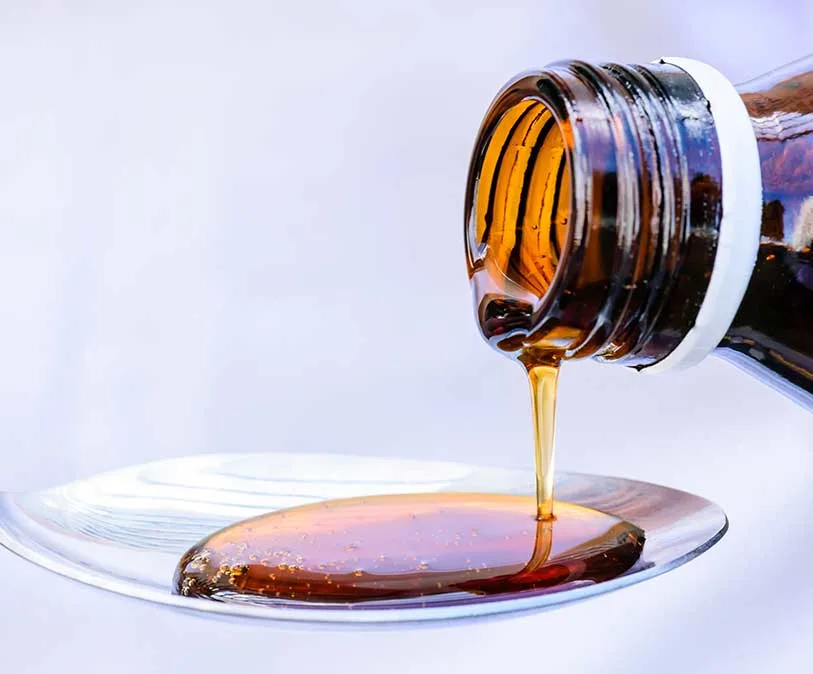
Solvent and vehicle for oral liquids, drops, and soft gelatin capsules.
Ointments & Creams
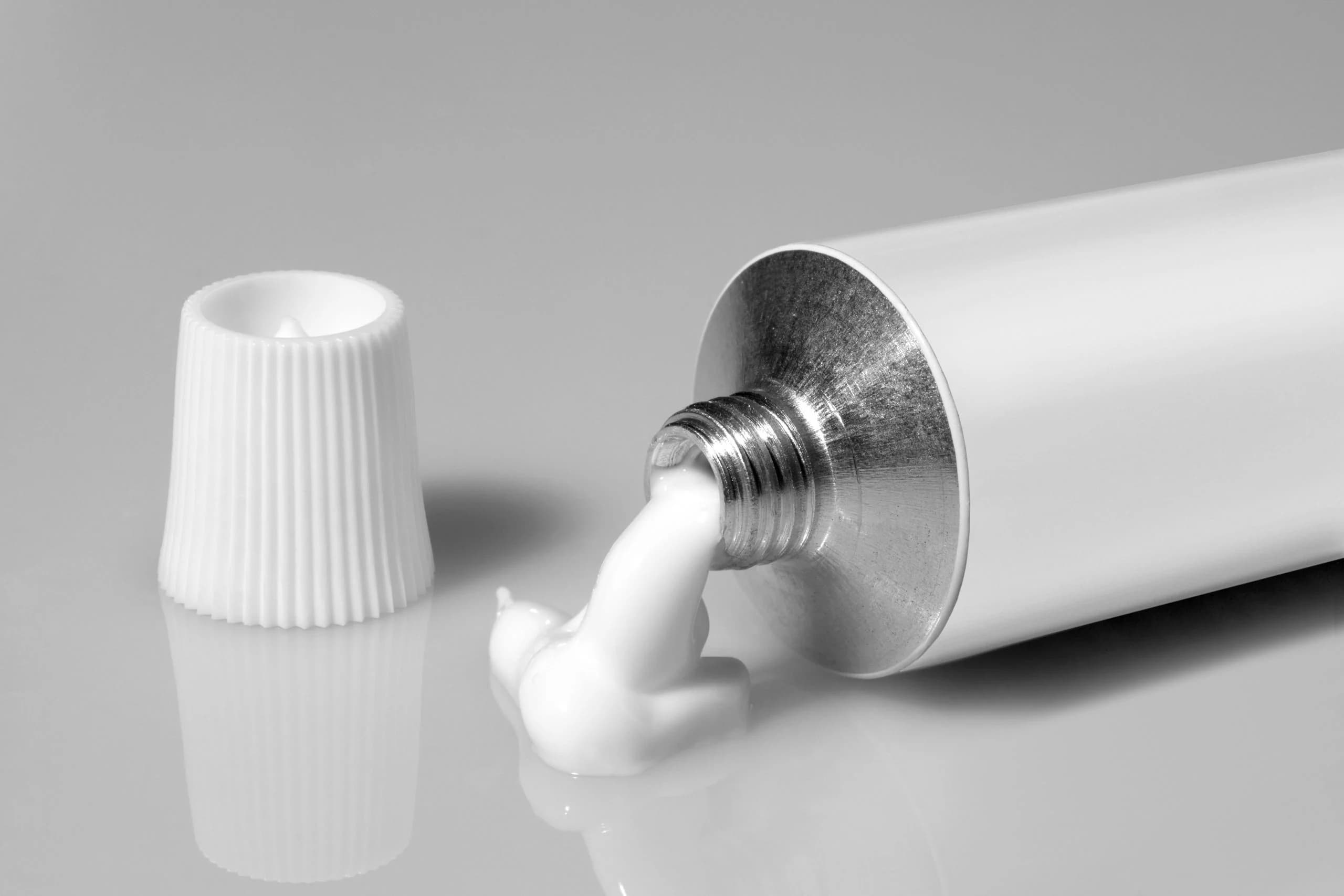
Hydrophilic base for ointments, providing smooth texture and water washability.
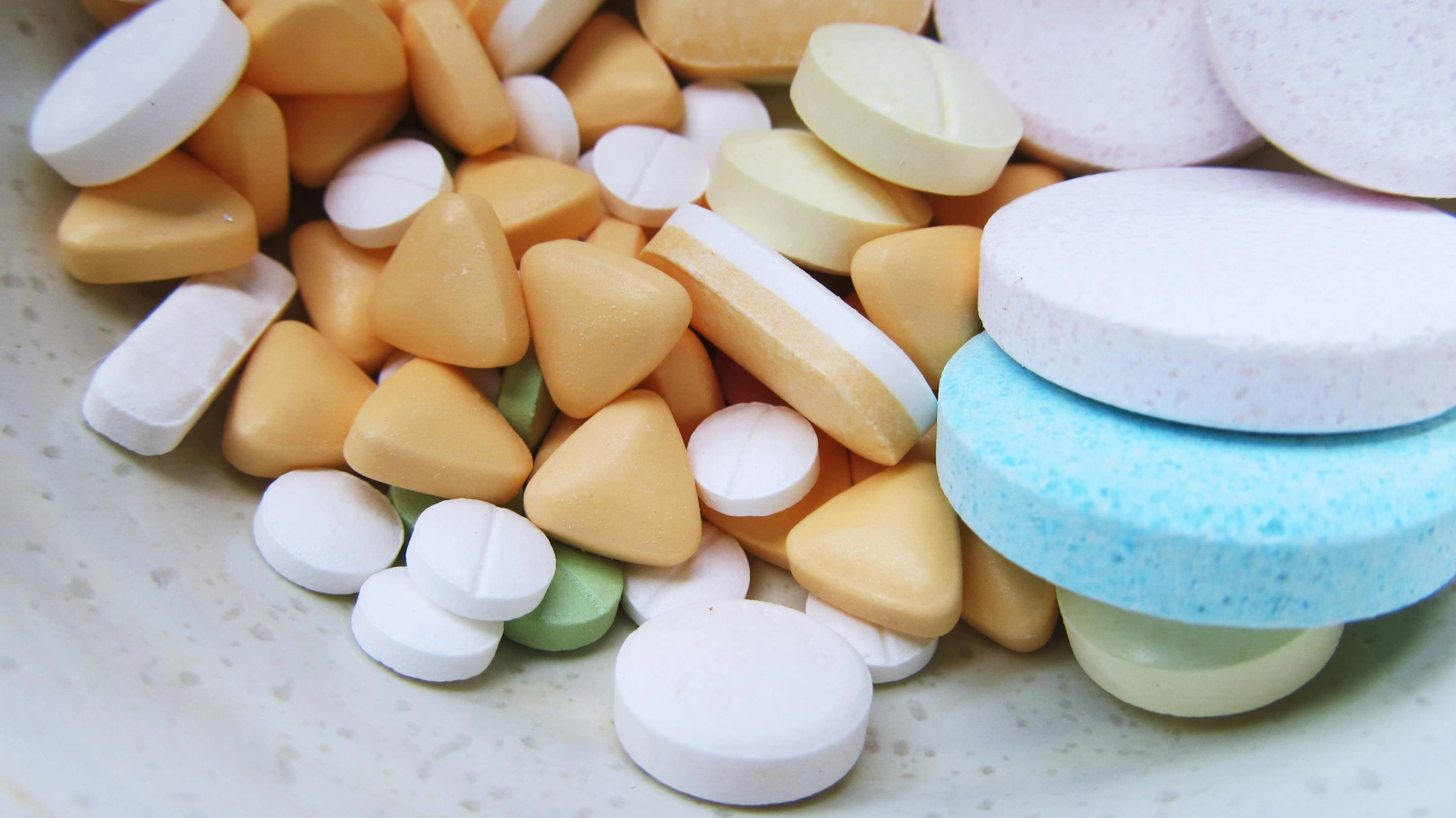
Tablet Binding
Binder and plasticizer for tablet granulation and coating systems.
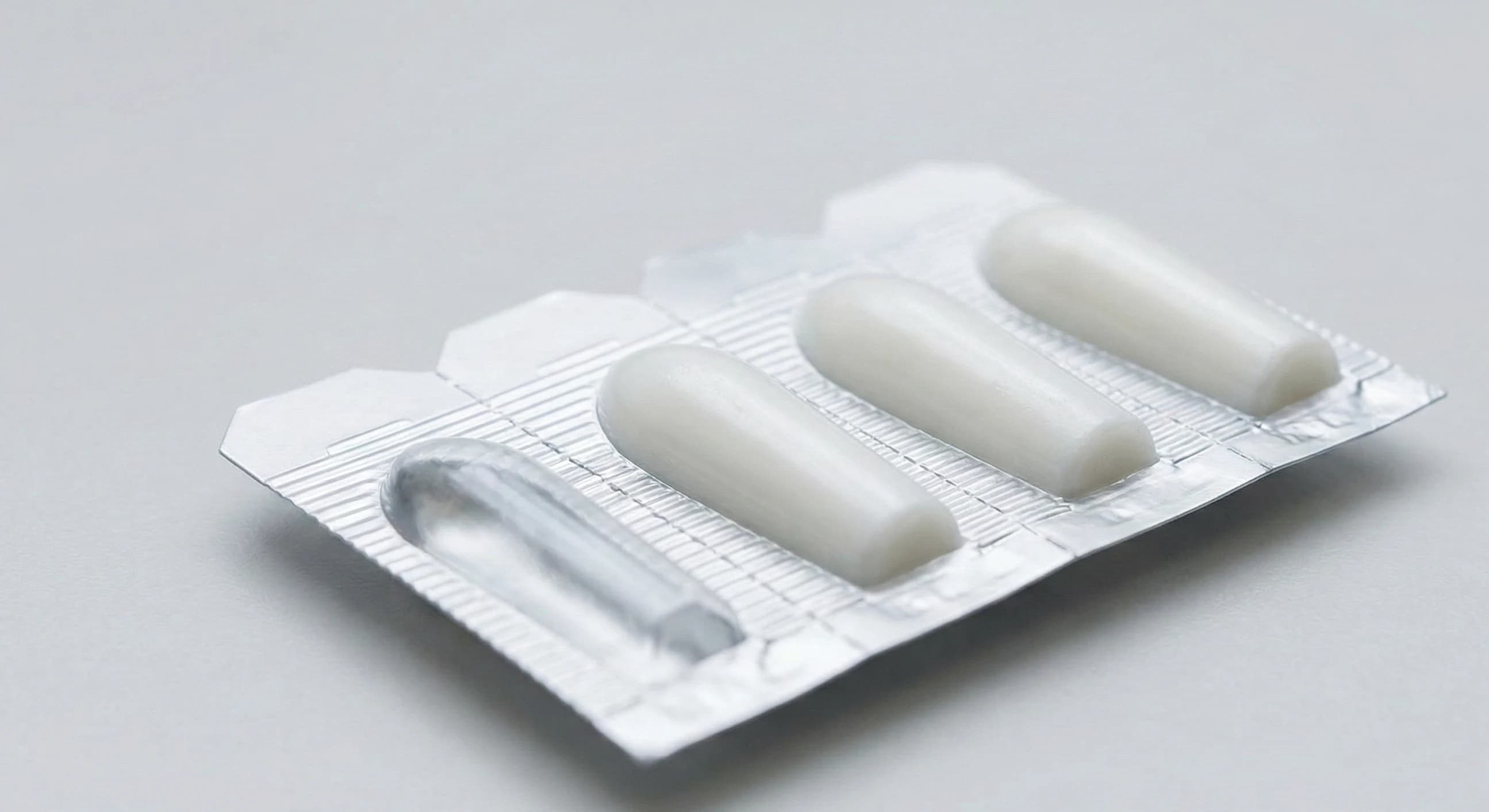
Suppositories
Ideal suppository base with adjustable melting points using PEG blends.
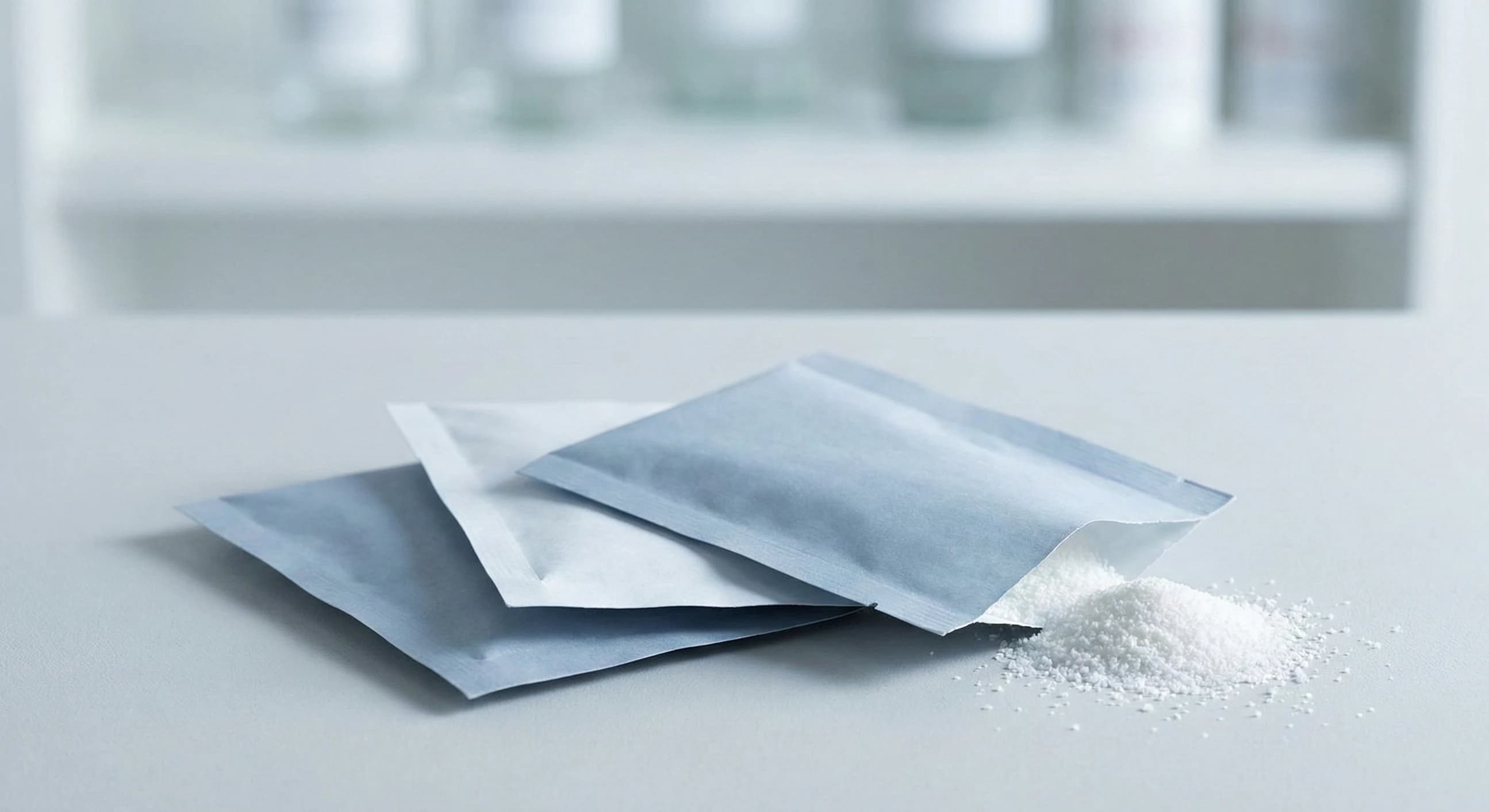
Laxatives (API)
Osmotic agent for treatment of constipation (PEG 3350/4000).
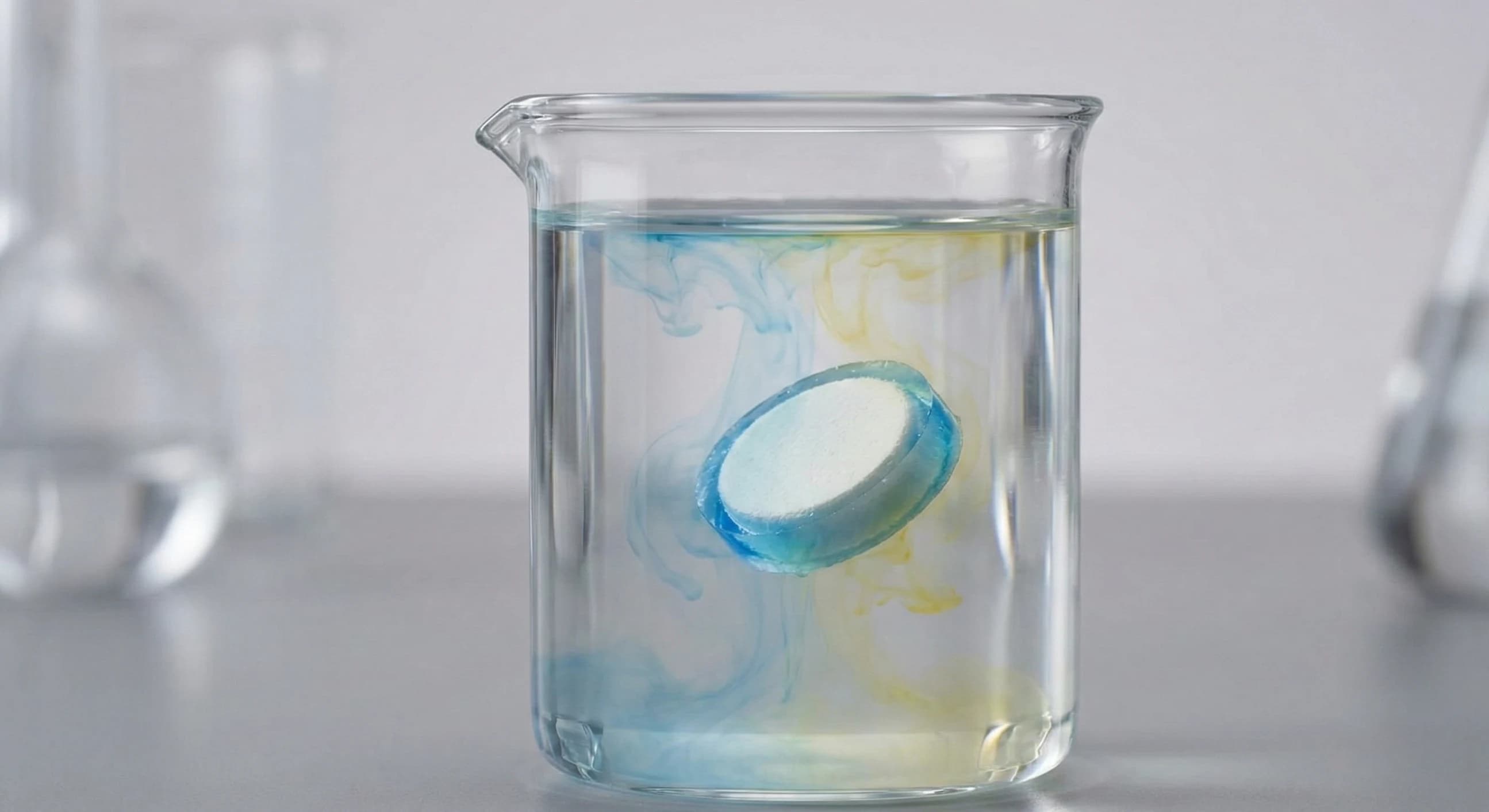
Controlled Release
Matrix former for sustained release and osmotic pump systems.
Technical Information & FAQ
Molecular weight determines the physical state and properties of PEG. Low MW PEGs (200-600) are liquids used as solvents. Medium MW PEGs (1000-1500) are semi-solids. High MW PEGs (3350-8000) are solids/flakes used as binders and bases. Viscosity increases while hygroscopicity decreases as molecular weight increases.
Pharcogol 3350 typically complies with USP standards and has an average molecular weight of 3350. Pharcogol 4000 complies with EP/BP standards (Macrogol 4000) with an average MW of 4000. Both are used as laxatives, but the specific grade depends on the target market regulatory requirements.
Yes, specific low-endotoxin grades of Pharcogol (e.g., PEG 300, 400) are available and suitable for use as vehicles in parenteral formulations. Please contact our technical team for specific parenteral grade requirements.
Liquid PEGs (200-600) are highly hygroscopic and can absorb moisture from the air, which is useful for humectant applications. Solid PEGs (4000+) are much less hygroscopic, providing better stability for moisture-sensitive APIs in solid dosage forms.
Yes, Pharcogol 400 and other grades are used in ophthalmic solutions to adjust viscosity and improve lubrication (e.g., in artificial tears). They are biocompatible and non-irritating.
Ready to Find Your Perfect PEG Grade?
Browse our complete catalog or contact our technical team for personalized recommendations.