
Overcoming Bioavailability Challenges: The Strategic Selection of Pharma-Grade PEGs



The Indian pharmaceutical landscape is shifting from simple generic manufacturing to the development of complex dosage forms. A primary hurdle in this transition is the poor aqueous solubility of modern Active Pharmaceutical Ingredients (APIs).
The Role of Low Molecular Weight PEGs
Low molecular weight polyethylene glycols, specifically Pharcogol 400 and Pharcogol 600, have become indispensable in liquid and semi-solid formulations. These excipients serve as high-performance solvents and vehicles that significantly enhance the solubility of hydrophobic drugs. By acting as a co-solvent, Pharcogol 400 facilitates rapid dispersion and absorption, which is critical for achieving bioequivalence with innovator products.
Pharcogol 600, with its semi-solid consistency, offers a unique advantage in modulating the melting characteristics of ointment bases and suppository blends. Its compatibility with a vast range of APIs makes it a versatile component in not just topical, but also oral and parenteral delivery systems.
Modified Release and Matrix Systems
Beyond solubility, controlling the rate of release is vital for patient compliance. Utilizing premium HPMC grades like Pharcocel KC 4000 Premium (Substitution Type 2208) allows formulators to create hydrophilic matrix systems that provide a consistent, sustained release profile. These polymers form a robust gel layer upon hydration, regulating the diffusion of the active ingredient. This is particularly useful for highly soluble drugs where 'dose dumping' must be avoided to ensure safety and efficacy.
Stability in Varied Climates
India’s diverse climatic conditions require excipients that maintain structural integrity. Using pharmaceutical-grade PEGs ensures that ointments and suppositories remain stable and do not undergo phase separation or melting point shifts during storage and transit. High-molecular-weight variants like Pharcogol 4000 further assist as binders and lubricants, improving the mechanical strength of tablets in humid conditions.
Mentioned in this article
Pharcogol 400
Pharmaceutical grade PEG 400 for use as solvent, plasticizer, and humectant in various formulations.
Pharcogol 600
Higher-viscosity polyethylene glycol used primarily in ointments, suppositories, and topical formulations.
Pharcogol 4000
High-molecular-weight PEG used in laxatives, solid dosage forms, and controlled-release systems.
Pharcocel KC 4000 Premium
Premium high viscosity HPMC 2208 grade for controlled release matrices.
Filed Under
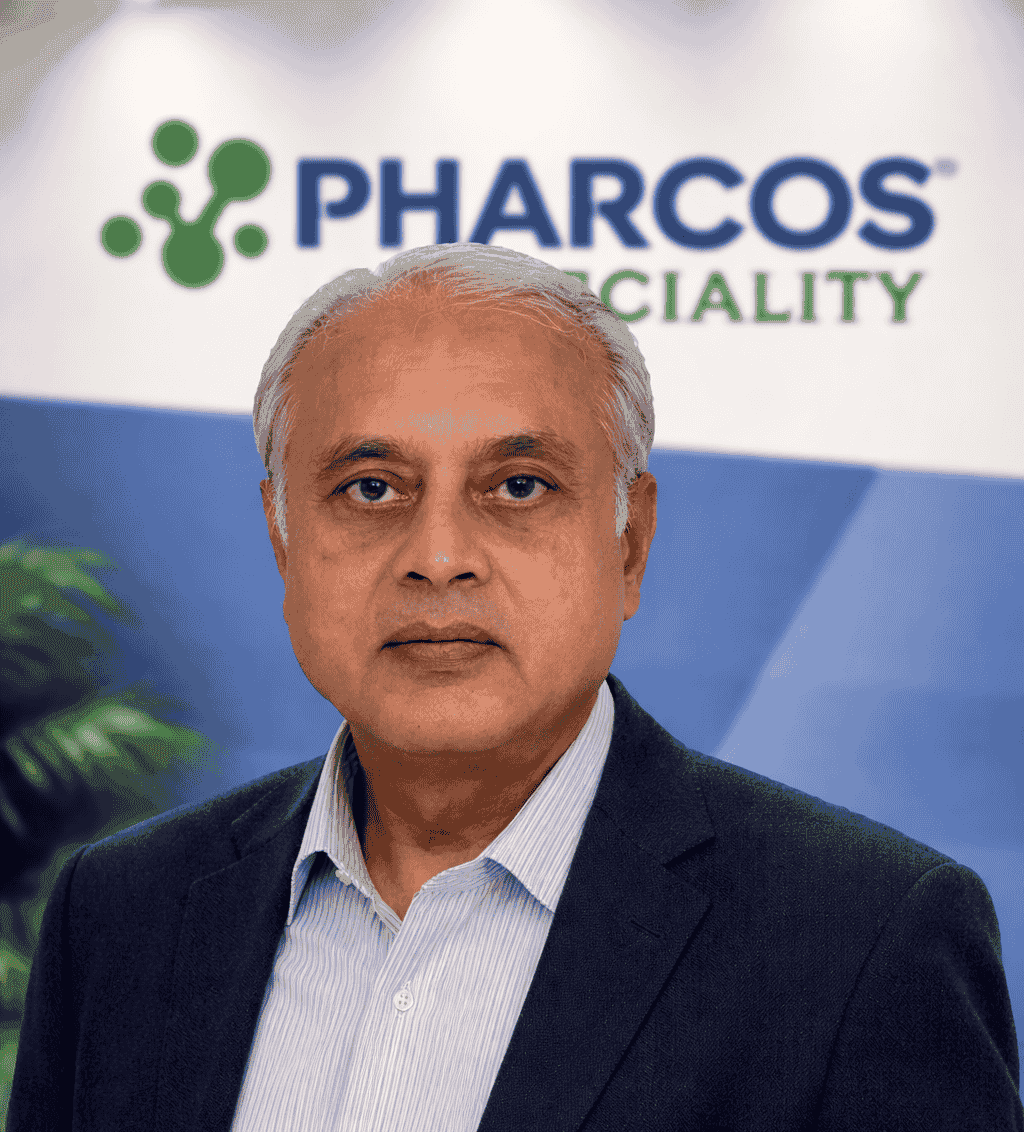
Dr. Avinash Dubey (R&D Head)
Dr. Avinash Dubey is a PhD in Organic Chemistry with a distinguished career spanning more than four decades. As the head of R&D at Pharcos, he focuses on the development of novel molecules for a wide array of industrial sectors, blending long-standing experience with a passion for innovation.
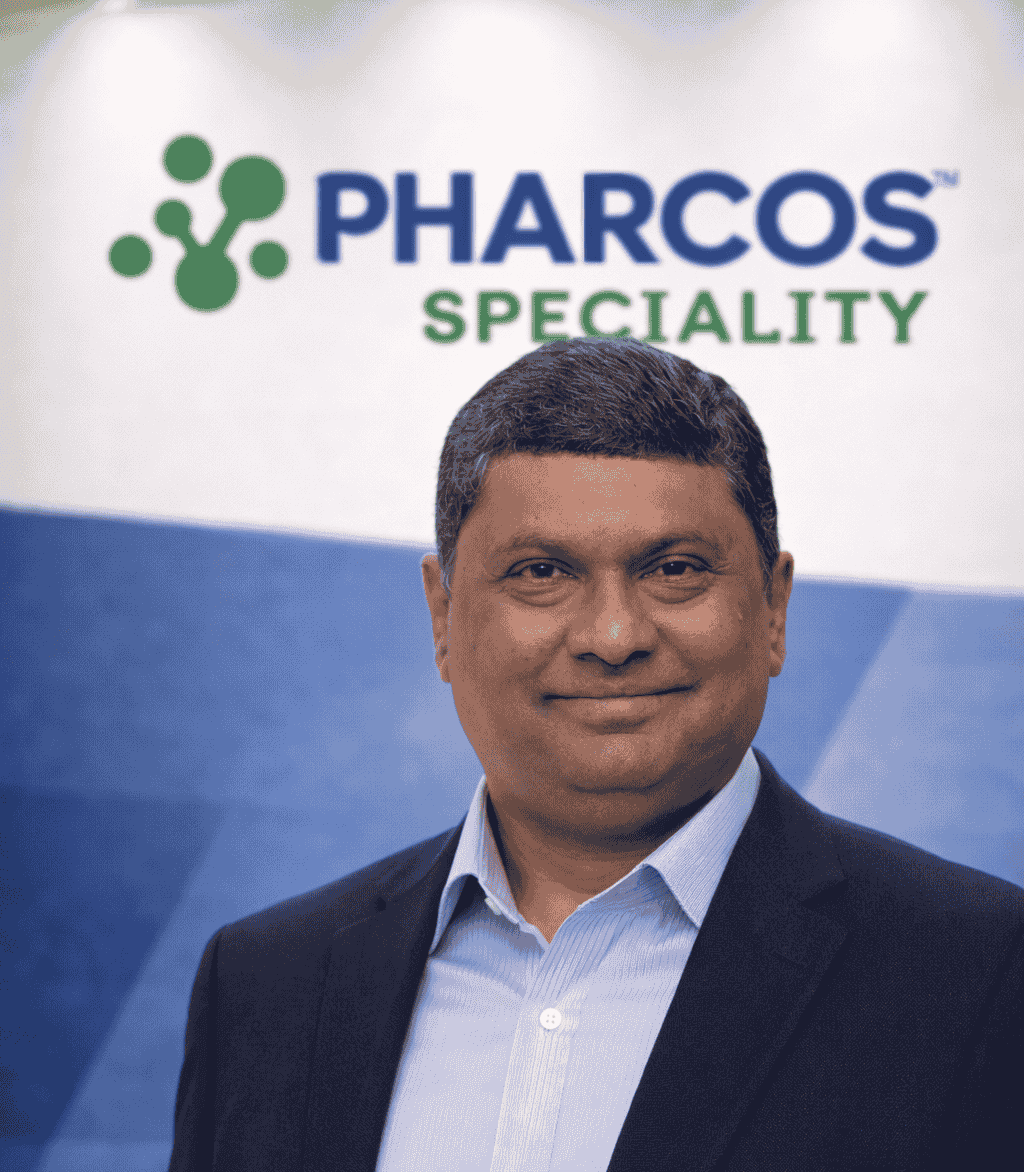
Mr. Ankit Shah (Managing Director)
Mr. Ankit Shah has led Pharcos Speciality for over three decades, establishing it as a pioneer in specialty chemicals. He currently directs the company’s strategic expansion into the APIs, Excipient and Speciality Surfactants markets, upholding a steadfast commitment to "Make in India" and world-class manufacturing quality and new product development.