
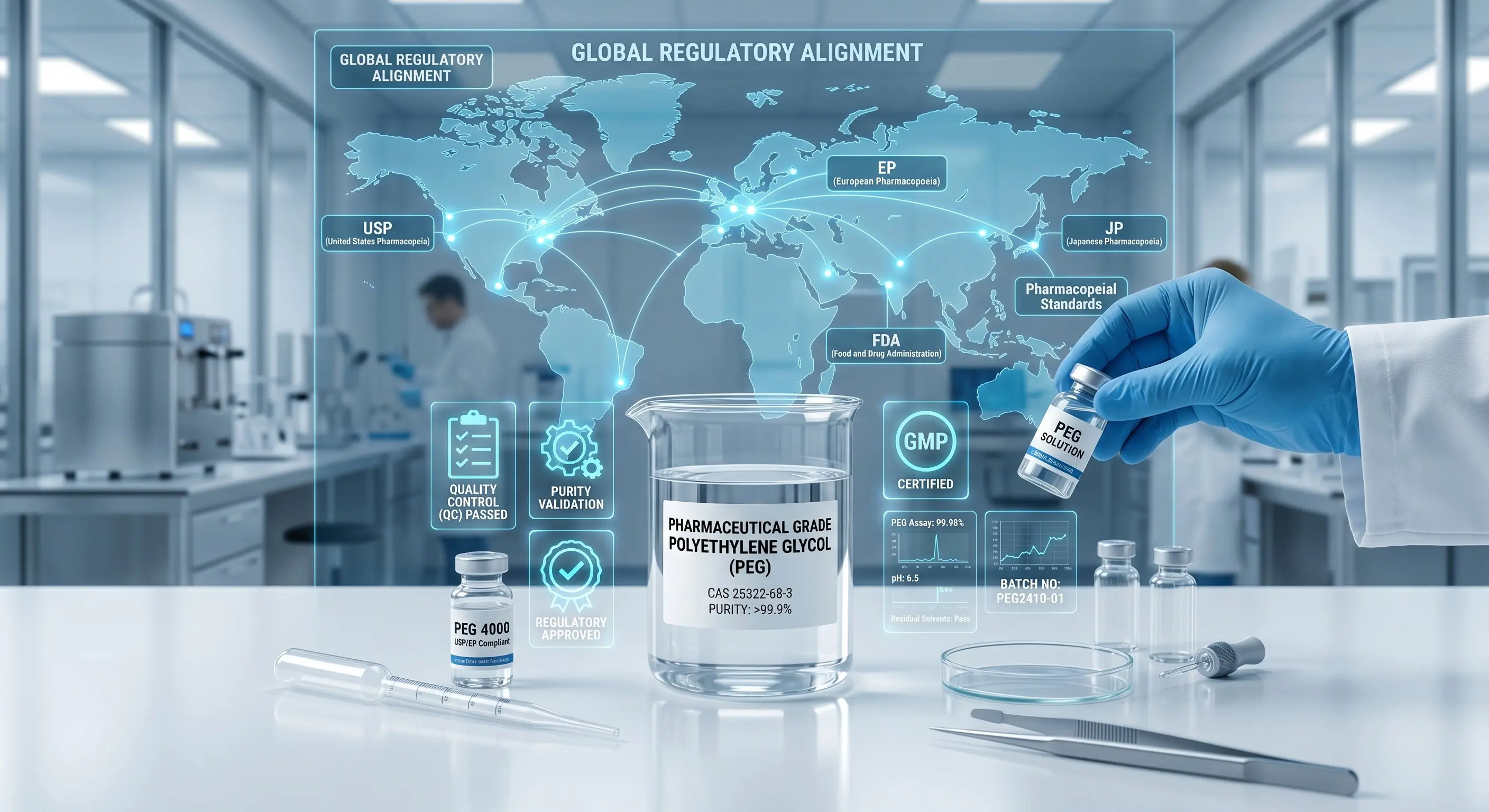
Pharmaceutical Grade Polyethylene Glycol (PEG): Regulatory Guidelines & Global Pharmacopeial Standards




AI Summary
Pharmaceutical Grade Polyethylene Glycol (PEG) must comply with stringent global pharmacopeial standards such as USP, USP-NF, European Pharmacopoeia (Ph. Eur/EP), British Pharmacopoeia (BP), Indian Pharmacopoeia (IP), and Japanese Pharmacopoeia (JP). These standards define strict requirements for identity, purity, molecular weight distribution, impurity limits (especially ethylene glycol and diethylene glycol), and testing methods. Regulatory frameworks ensure PEG’s safety as a pharmaceutical excipient used in oral, topical, and injectable formulations. While global harmonization efforts are ongoing, slight differences still exist across pharmacopeias, making compliance verification critical for manufacturers and buyers. Companies must ensure GMP manufacturing, validated analytical methods, and complete documentation (CoA, DMF) to meet regulatory expectations worldwide.
What Are Regulatory Guidelines for Pharmaceutical Grade PEG and Why Are They Important?
Regulatory guidelines for Pharmaceutical Grade Polyethylene Glycol (PEG) are defined by global pharmacopeias to ensure safety, purity, and consistency when used in drug formulations.
These guidelines are important because:
- PEG is widely used as an excipient in medicines
- Even trace impurities can affect patient safety
- Regulatory approvals depend on pharmacopeial compliance
Pharmacopeias act as legally recognized quality benchmarks that pharmaceutical ingredients must meet before being used in drug manufacturing.
 Get It Now!
What Is USP and USP-NF Compliance for Pharmaceutical Grade PEG?
The United States Pharmacopeia (USP) and National Formulary (NF) set critical standards for PEG used in the U.S. pharmaceutical market.
USP-NF compliance includes:
- Identity testing using validated analytical methods
- Molecular weight verification
- Strict impurity limits, especially for ethylene glycol (EG) and diethylene glycol (DEG)
Recent USP updates emphasize testing for EG/DEG contamination using gas chromatography and other validated methods to enhance safety.
USP standards also define:
- Residual solvent limits
- Maximum daily intake thresholds
- Reference standards for validation
How Do European Pharmacopoeia (EP/Ph. Eur.) Standards Define PEG Quality?
The European Pharmacopoeia (Ph. Eur.), often referred to as EP, defines PEG as “Macrogols” and sets stringent quality specifications.
EP compliance includes:
- Defined molecular weight ranges
- Identification tests (IR spectroscopy, viscosity, etc.)
- Limits on impurities and heavy metals
- Functional performance requirements
EP standards are widely accepted across Europe and align closely with other global pharmacopeias through harmonization initiatives.
What Are British Pharmacopoeia (BP) Requirements for Pharmaceutical PEG?
The British Pharmacopoeia (BP) provides detailed monographs for PEG similar to EP, often harmonized due to shared regulatory frameworks.
BP requirements include:
- Physical appearance and solubility
- Purity levels and impurity limits
- Testing for acidity, water content, and residue
Pharmaceutical-grade PEG labeled as BP ensures compliance with UK regulatory expectations and is widely accepted in Commonwealth markets.
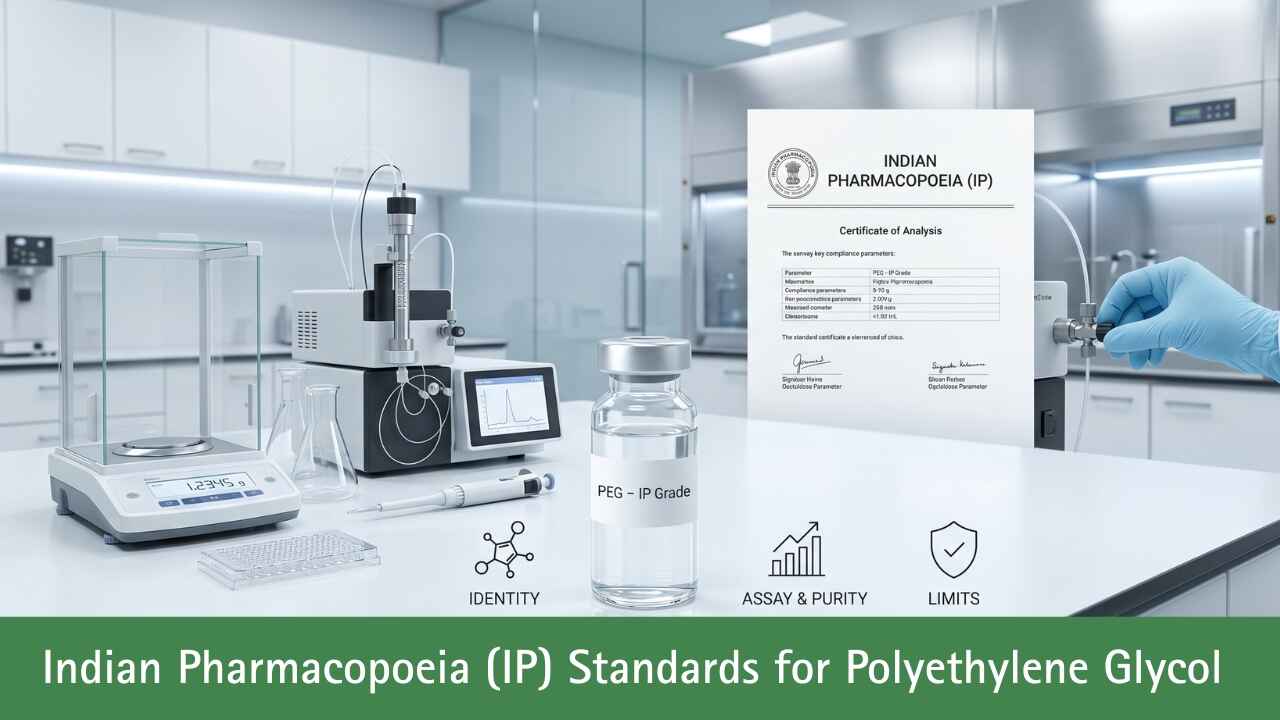
What Are Indian Pharmacopoeia (IP) Standards for Polyethylene Glycol?
The Indian Pharmacopoeia (IP) sets standards for PEG used in India’s pharmaceutical industry.
IP compliance includes:
- Identity confirmation
- Assay and purity testing
- Limits for contaminants and heavy metals
India has increasingly aligned its standards with global pharmacopeias, making IP-compliant PEG acceptable in many international markets.
What Are Japanese Pharmacopoeia (JP) Guidelines for PEG Compliance?
The Japanese Pharmacopoeia (JP) outlines specific requirements for PEG used in Japan.
JP standards focus on:
- High purity levels
- Controlled manufacturing processes
- Detailed analytical testing
JP compliance is essential for companies targeting the Japanese pharmaceutical market.
Our Other Product
PEG 400 (Polyethylene Glycol 400 | Macrogol 400)How Do Global Pharmacopeial Standards (USP, EP, BP, IP, JP) Compare for PEG?
Although pharmacopeias share similar goals, there are subtle differences in testing methods and specifications.
Commonalities:
- Identity verification
- Molecular weight control
- Impurity limits
- Safety validation
Differences:
- Testing methodologies
- Acceptance limits
- Documentation requirements
Global harmonization efforts (such as Pharmacopeial Discussion Group – PDG) aim to align these standards, but full harmonization is still evolving.
What Are the Key Pharmacopeial Tests for Pharmaceutical Grade PEG?
Pharmacopeial monographs define multiple tests to ensure PEG quality:
1. Identification Tests
- Infrared spectroscopy
- Chemical identification reactions
2. Purity and Impurity Testing
- Ethylene glycol (EG) and diethylene glycol (DEG) limits
- Heavy metals testing
3. Molecular Weight Determination
- Viscosity measurements
- Gel permeation chromatography
4. Residual Solvent Testing
- Compliance with ICH Q3C guidelines
5. Physical Tests
- Appearance
- Melting point
- Water content
These tests ensure PEG meets safety and performance requirements for pharmaceutical use.
Why Are EG and DEG Impurity Limits Critical in PEG Regulations?
Ethylene glycol (EG) and diethylene glycol (DEG) are toxic impurities that must be strictly controlled.
Regulatory bodies mandate:
- Specific detection methods (GC, chromatography)
- Strict permissible limits
- Routine batch testing
USP has introduced updated testing requirements to minimize contamination risks and improve patient safety.
How Do GMP and ICH Guidelines Support PEG Regulatory Compliance?
Beyond pharmacopeial standards, compliance also requires adherence to:
Good Manufacturing Practices (GMP)
- Controlled production environments
- Batch traceability
- Documentation and validation
ICH Guidelines
- Q3C (Residual Solvents)
- Q6A (Specifications)
- Q7 (API manufacturing practices)
These frameworks ensure consistent quality and global acceptance.
What Documentation Is Required for Pharmaceutical Grade PEG Compliance?
Suppliers must provide:
- Certificate of Analysis (CoA)
- Drug Master File (DMF)
- Material Safety Data Sheet (MSDS)
- Stability data
Complete documentation ensures regulatory approval and supply chain transparency.
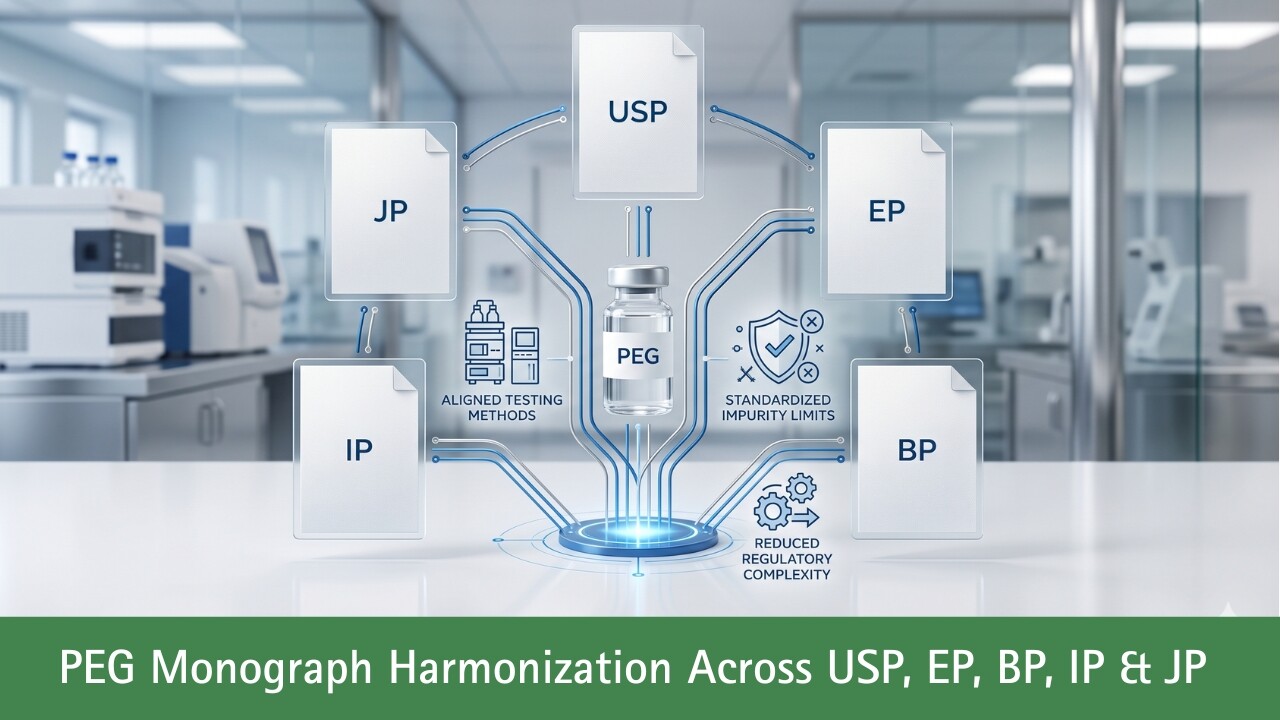
How Are PEG Monographs Harmonized Across USP, EP, BP, IP, and JP?
Harmonization efforts aim to standardize PEG specifications globally.
The Pharmacopeial Discussion Group (PDG) works to:
- Align testing methods
- Standardize impurity limits
- Reduce regulatory complexity
However, full harmonization has not yet been achieved, requiring manufacturers to meet multiple standards simultaneously.
What Are the Key Compliance Challenges for Pharmaceutical PEG Manufacturers?
Manufacturers face several challenges:
- Meeting multiple pharmacopeial standards
- Maintaining batch-to-batch consistency
- Controlling impurities at trace levels
- Keeping up with evolving regulations
Continuous investment in quality systems and testing infrastructure is essential.
Our Other Product
PEG 600 (Polyethylene Glycol 600 | Macrogol 600)How to Ensure Your PEG Supplier Meets Global Pharmacopeial Standards?
When selecting a supplier, evaluate:
- USP/NF, EP, BP, IP, JP compliance certifications
- GMP-certified manufacturing facilities
- Analytical testing capabilities
- Documentation and traceability
Reliable suppliers provide consistent quality and regulatory support.
Why Is Pharmacopeial Compliance Critical for Global Pharmaceutical Trade?
Pharmacopeial compliance ensures:
- Market access across regions
- Regulatory approvals
- Patient safety
- Brand credibility
Non-compliance can lead to product recalls, regulatory penalties, and reputational damage.
 WhatsApp Now
Conclusion: Why Regulatory Compliance Defines Pharmaceutical Grade PEG Quality?
Pharmaceutical Grade PEG is not just a chemical-it is a highly regulated excipient that must meet strict global standards.
Compliance with USP, USP-NF, EP, BP, IP, JP, and ICH guidelines ensures:
- Safety
- Consistency
- Global acceptability
As regulations evolve, companies must prioritize quality, documentation, and supplier reliability to remain competitive in the global pharmaceutical market.
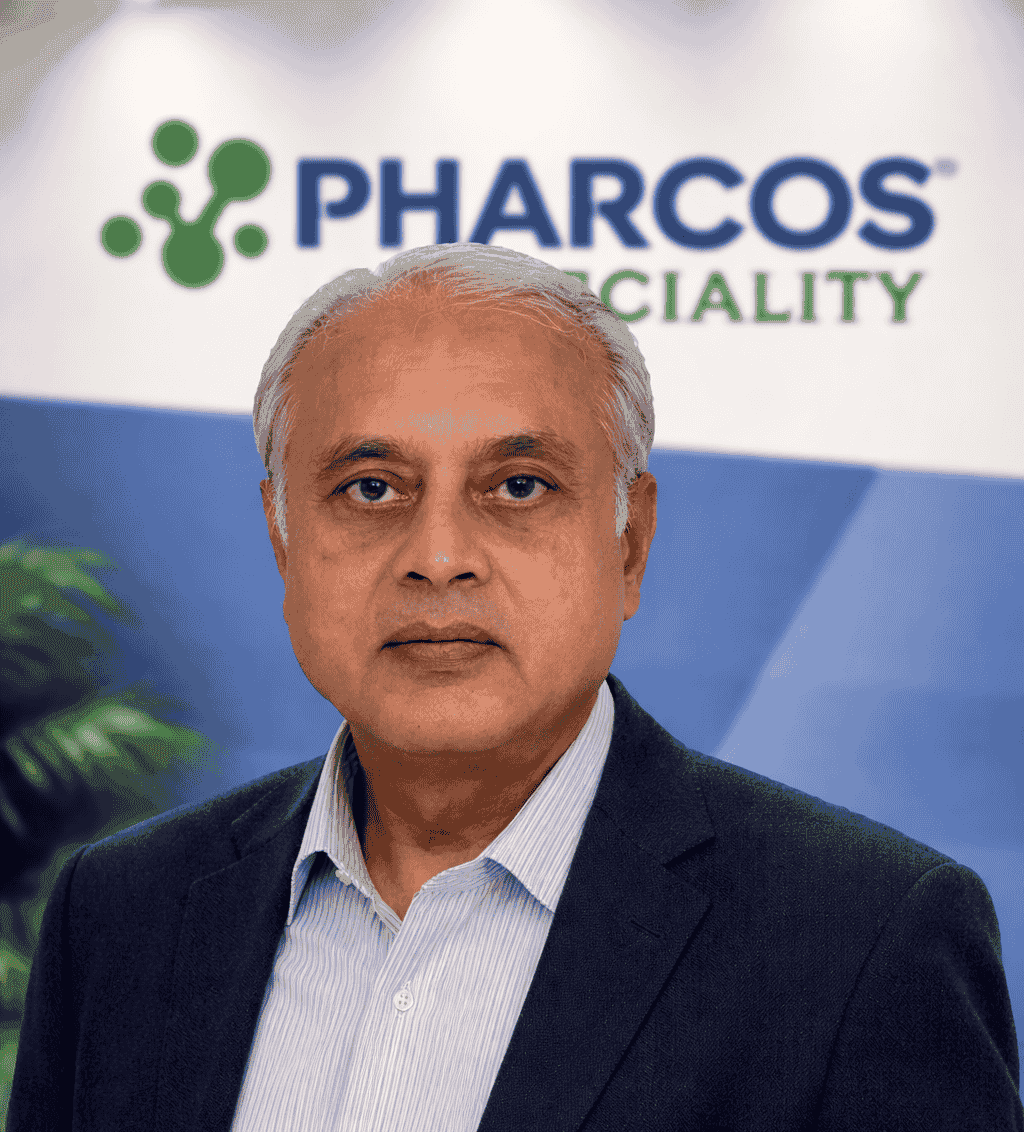
Dr. Avinash Dubey (R&D Head)
Dr. Avinash Dubey is a PhD in Organic Chemistry with a distinguished career spanning more than four decades. As the head of R&D at Pharcos, he focuses on the development of novel molecules for a wide array of industrial sectors, blending long-standing experience with a passion for innovation.

Mr. Ankit Shah (Managing Director)
Mr. Ankit Shah has led Pharcos Speciality for over three decades, establishing it as a pioneer in specialty chemicals. He currently directs the company’s strategic expansion into the APIs, Excipient and Speciality Surfactants markets, upholding a steadfast commitment to "Make in India" and world-class manufacturing quality and new product development.