
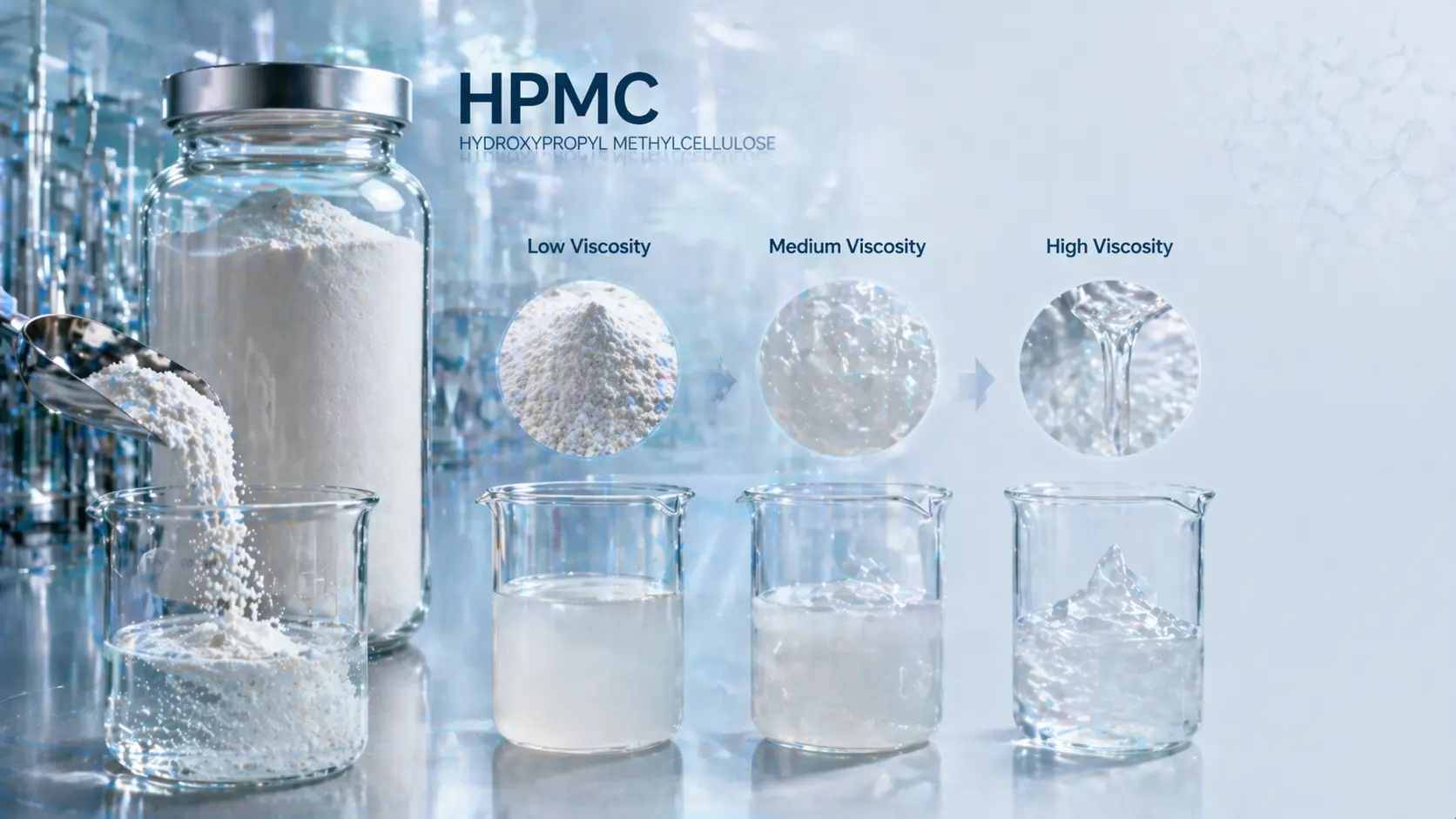
Hydroxypropyl Methylcellulose (HPMC) Grades and Viscosity Levels in Pharmaceuticals




AI Summary
Hydroxypropyl Methylcellulose (HPMC) is a critical pharmaceutical excipient available in multiple grades and viscosity levels, ranging from low viscosity (3 cps) to ultra-high viscosity (200000 cps). These variations determine its functionality across drug formulations, including film coating, binding, thickening, and controlled drug release. Low viscosity grades such as HPMC 3 cps and HPMC 5 cps are ideal for film coating, while medium grades like HPMC 50 cps are used as binders and viscosity modifiers. High viscosity grades such as HPMC 4000 cps, HPMC 15000 cps, and HPMC 100000 cps are essential for controlled-release formulations. Leading manufacturers like Pharcos Speciality offer a comprehensive Pharcocel® range compliant with USP-NF, EP, BP, and IP standards, enabling pharmaceutical companies to achieve precise formulation performance and regulatory compliance.
What Is Hydroxypropyl Methylcellulose (HPMC) and Why Are Its Grades and Viscosity Levels Important in Pharmaceuticals?
Hydroxypropyl Methylcellulose (HPMC) is a semi-synthetic, non-ionic cellulose ether widely used as a pharmaceutical excipient. Its versatility comes from its ability to perform multiple functions such as binding, film forming, thickening, and controlling drug release.
The grade and viscosity of HPMC are critical because they determine:
- Flow behavior and consistency
- Drug release profile
- Film-forming ability
- Stability of formulations
From HPMC 3 cps to HPMC 200000 cps, each grade serves a specific purpose in pharmaceutical applications, making proper selection essential.
 Get It Now!
How Are Different Grades of Pharmaceutical HPMC Classified Based on Viscosity Levels?
HPMC grades are primarily classified based on viscosity (measured in centipoise – cps).
Low Viscosity Grades (3-15 cps)
- Examples: HPMC 3 cps, HPMC 5 cps, HPMC 6 cps, HPMC 15 cps
- Applications: Film coating, binders, liquid formulations
Medium Viscosity Grades (50-100 cps)
- Examples: HPMC 50 cps, HPMC 100 cps
- Applications: Binders, viscosity modifiers, suspensions
High Viscosity Grades (4000-200000 cps)
- Examples: HPMC 4000 cps, HPMC 15000 cps, HPMC 100000 cps, HPMC 200000 cps
- Applications: Controlled-release formulations, matrix systems
Pharcos Speciality, a leading HPMC manufacturer, offers all these grades under its Pharcocel® portfolio.
What Are Low Viscosity HPMC Grades (HPMC 3 cps, HPMC 5 cps, HPMC 6 cps) and Their Pharmaceutical Uses?
Low viscosity grades such as HPMC 3 cps, HPMC 5 cps, and HPMC 6 cps are primarily used in film coating and binding applications.
Key Functions:
- Smooth and uniform film coating
- Improved tablet appearance
- Enhanced swallowability
Pharcos Product Examples:
- Pharcocel E 3 (HPMC 3 cps)
- Pharcocel E 5 (HPMC 5 cps)
- Pharcocel E 6 (HPMC 6 cps)
These grades are compliant with USP-NF, EP, BP, and IP standards, ensuring safety and consistency for pharmaceutical use.
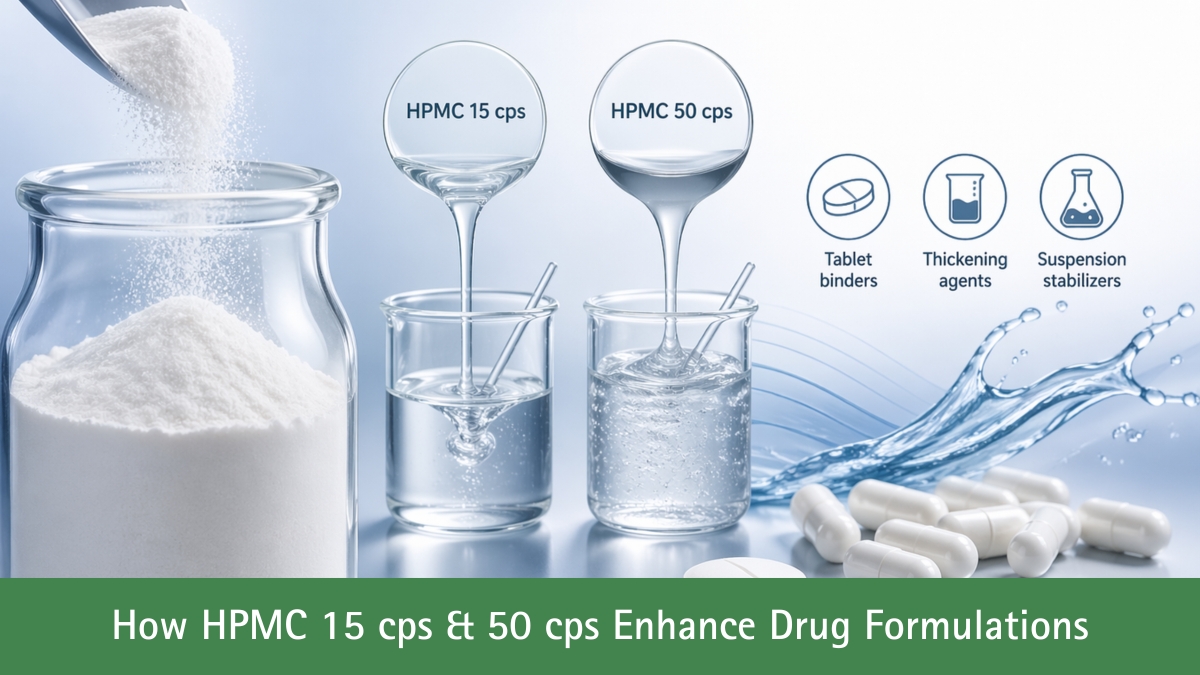
How Do Medium Viscosity HPMC Grades (HPMC 15 cps and HPMC 50 cps) Improve Drug Formulations?
Medium viscosity grades such as HPMC 15 cps and HPMC 50 cps offer balanced functionality.
Key Applications:
- Tablet binders
- Thickening agents
- Suspension stabilizers
Benefits:
- Improved viscosity control
- Enhanced stability
- Better drug dispersion
Pharcos Product Examples:
- Pharcocel E 15 (HPMC 15 cps)
- Pharcocel E 50 (HPMC 50 cps)
These grades are widely used in both solid and liquid formulations.
What Are High Viscosity HPMC Grades (HPMC 4000 cps to HPMC 200000 cps) and Their Role in Controlled Release?
High viscosity HPMC grades are essential for controlled and sustained drug release systems.
Key Grades:
Functions:
- Matrix formation
- Controlled drug diffusion
- Extended release profiles
Pharcos Product Examples:
- Pharcocel KC 4000 Premium
- Pharcocel KC 15000 Premium
- Pharcocel KC 100000 Premium
- Pharcocel KC 200000 Premium
These grades are critical for advanced pharmaceutical formulations.
How Do Controlled Release (CR) Grades of HPMC Work in Drug Delivery Systems?
Controlled Release (CR) grades of HPMC are specifically designed for matrix-based drug delivery systems.
Mechanism:
- HPMC hydrates and forms a gel barrier
- Drug diffuses slowly through the gel
- Ensures sustained drug release
Pharcos CR Product Examples:
- Pharcocel KW 100 CR
- Pharcocel KW 4000 CR
- Pharcocel KW 15000 CR
- Pharcocel KW 100000 CR
- Pharcocel KW 200000 CR
These CR grades enable precise control over drug release kinetics.
Our Other Product
Polyethylene GlycolWhat Is the Difference Between Pharcocel E, EW, KC, KW, and BW Grades of HPMC?
Pharcos Speciality offers multiple HPMC series tailored for specific applications:
Pharcocel E Series
- Used for film coating and binding
- Examples: E 3, E 5, E 6, E 15, E 50
Pharcocel EW Series
- Similar to E series but optimized for specific viscosity control
Pharcocel KC Series
- Premium grades for controlled-release formulations
Pharcocel KW Series
- Controlled Release (CR) matrix-forming grades
Pharcocel BW Series
- Specialized for thickening and controlled-release applications
This diverse portfolio allows formulators to select the exact grade needed.
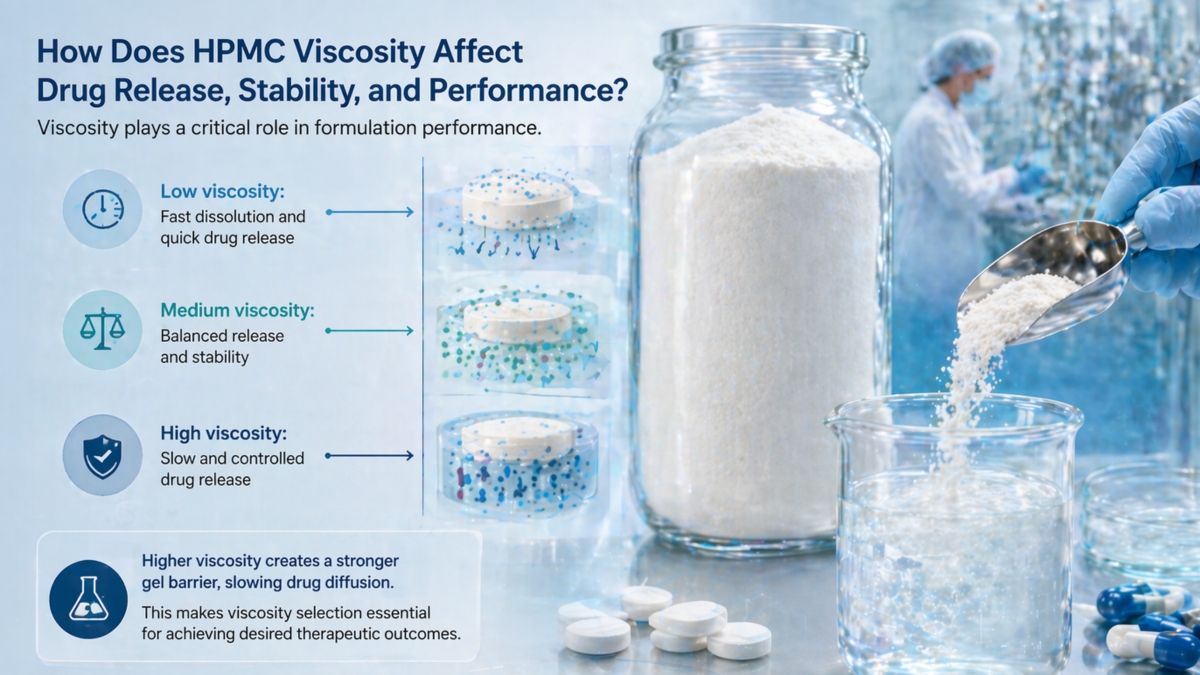
How Does HPMC Viscosity Affect Drug Release, Stability, and Performance?
Viscosity plays a critical role in formulation performance.
- Low viscosity: Fast dissolution and quick drug release
- Medium viscosity: Balanced release and stability
- High viscosity: Slow and controlled drug release
Higher viscosity creates a stronger gel barrier, slowing drug diffusion.
This makes viscosity selection essential for achieving desired therapeutic outcomes.
Why Is Pharmaceutical Grade HPMC Preferred Over Other Excipients?
HPMC offers several advantages:
- Non-toxic and biocompatible
- Excellent film-forming properties
- Stable across pH and temperature variations
- Suitable for vegetarian formulations
Its versatility across dosage forms makes it superior to many traditional excipients.
How Does Pharcos Speciality Support Pharmaceutical Companies with HPMC Solutions?
Pharcos Speciality is a leading HPMC manufacturer offering:
Key Advantages:
- Wide viscosity range (3 cps to 200000 cps)
- Multi-pharmacopeial compliance (USP-NF, EP, BP, IP)
- WHO-GMP certified manufacturing
- Custom formulation support
Their Pharcocel® range supports:
- Tablets and capsules
- Film coating
- Liquid formulations
- Controlled-release systems
Pharcos ensures consistent quality, regulatory support, and global supply reliability.
What Are the Key Benefits of Using Different HPMC Grades in Pharmaceuticals?
Using different HPMC grades provides:
- Flexibility in formulation design
- Improved drug stability
- Controlled drug release
- Enhanced patient compliance
This makes HPMC one of the most important excipients in pharmaceutical manufacturing.
 WhatsApp Now
What Are the Future Trends in HPMC Grades and Applications in Pharmaceuticals?
Emerging trends include:
- Increased use in controlled-release formulations
- Growth in plant-based and vegan capsules
- Advanced drug delivery systems
- Demand for high-performance excipients
HPMC continues to evolve with pharmaceutical innovation.
Conclusion: Why Understanding HPMC Grades and Viscosity Levels Is Critical for Pharmaceutical Success?
Understanding the different grades and viscosity levels of HPMC is essential for designing effective pharmaceutical formulations.
From HPMC 3 cps to HPMC 200000 cps, each grade serves a unique purpose. Selecting the right grade ensures optimal drug performance, stability, and patient compliance.
With trusted manufacturers like Pharcos Speciality, pharmaceutical companies can access high-quality, compliant, and customizable HPMC solutions tailored to their needs.
Our Other Product
Cosmetic Raw MaterialsFAQs on Hydroxypropyl Methylcellulose (HPMC) Grades

Dr. Avinash Dubey (R&D Head)
Dr. Avinash Dubey is a PhD in Organic Chemistry with a distinguished career spanning more than four decades. As the head of R&D at Pharcos, he focuses on the development of novel molecules for a wide array of industrial sectors, blending long-standing experience with a passion for innovation.

Mr. Ankit Shah (Managing Director)
Mr. Ankit Shah has led Pharcos Speciality for over three decades, establishing it as a pioneer in specialty chemicals. He currently directs the company’s strategic expansion into the APIs, Excipient and Speciality Surfactants markets, upholding a steadfast commitment to "Make in India" and world-class manufacturing quality and new product development.