
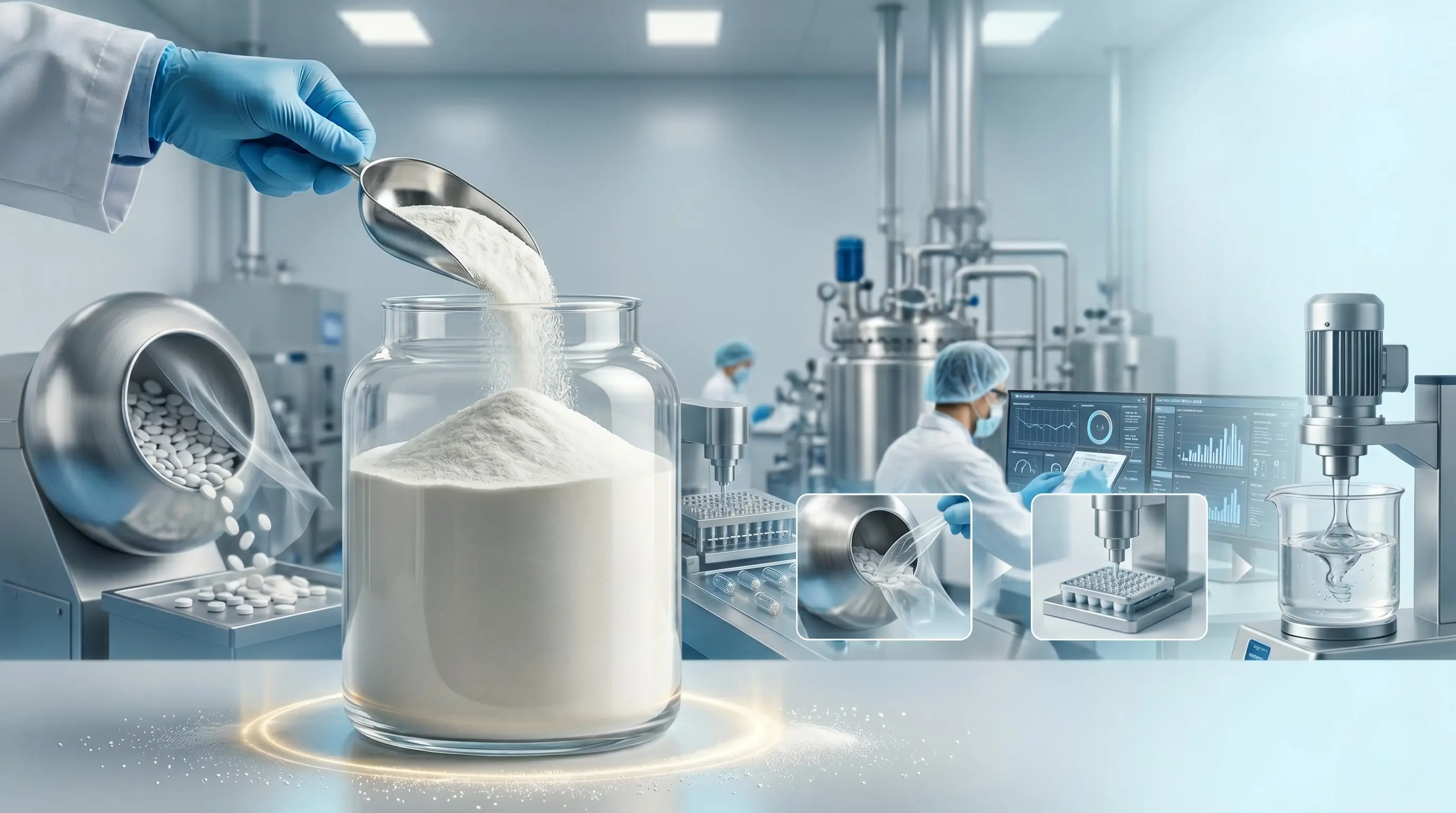
What Is Pharmaceutical Grade HPMC and How Is It Used in Drug Formulations?




AI Summary
Pharmaceutical Grade Hydroxypropyl Methylcellulose (HPMC) is a widely used excipient known for its versatility, safety, and functionality in drug formulations. It acts as a binder, film former, thickener, and controlled-release agent across tablets, capsules, and liquid dosage forms. Available in various viscosity grades such as HPMC 3 cps, HPMC 5 cps, HPMC 15 cps, HPMC 50 cps, and high-viscosity grades like HPMC 4000 cps and HPMC 100000 cps, it enables precise control over drug release and stability. As demand for plant-based and controlled-release formulations grows, HPMC continues to play a crucial role. Leading HPMC manufacturers like Pharcos Speciality provide pharmacopeia-compliant grades under the Pharcocel® range, ensuring quality, consistency, and global regulatory compliance.
What Is Pharmaceutical Grade HPMC and Why Is It Important in Drug Formulations?
Hydroxypropyl Methylcellulose (HPMC) is a semi-synthetic, water-soluble polymer derived from cellulose. It is widely used as a pharmaceutical excipient due to its non-toxic, non-ionic, and biocompatible nature.
Pharmaceutical Grade HPMC is specifically manufactured to meet USP, EP, BP, and IP standards, ensuring safety and consistency for human use.
It is important because:
- It enhances drug stability and shelf life
- It supports controlled and sustained drug release
- It improves patient compliance with better dosage forms
As a result, HPMC is a cornerstone excipient in modern pharmaceutical formulations.
 WhatsApp Now
How Does Pharmaceutical Grade HPMC Function as an Excipient in Drug Formulations?
HPMC is a multi-functional excipient used across various dosage forms.
Key Functions:
- Binder in tablets for structural integrity
- Film former for coating applications
- Thickener in liquid and topical formulations
- Controlled-release agent for sustained drug delivery
Its versatility allows formulators to design complex drug delivery systems with improved performance.
Pharcos Speciality, a leading HPMC manufacturer, offers Pharcocel® grades tailored for these diverse pharmaceutical applications.
How Is HPMC Used in Tablet Formulations for Binding and Controlled Release?
HPMC plays a crucial role in tablet formulations.
As a Binder:
- Ensures cohesion of powder particles
- Improves tablet strength and durability
As a Controlled-Release Agent:
- Forms a gel layer when exposed to fluids
- Regulates drug release over time
Grades like HPMC 50 cps and HPMC 100 cps are commonly used for these applications.
Pharcos Speciality provides consistent viscosity grades that ensure predictable tablet performance and drug release profiles.
How Does HPMC Film Coating Improve Tablet Stability and Performance?
HPMC is widely used as a film-coating polymer in tablets.
Benefits of HPMC Film Coating:
- Protects drug from moisture and environmental factors
- Improves tablet appearance and swallowability
- Enables controlled drug release
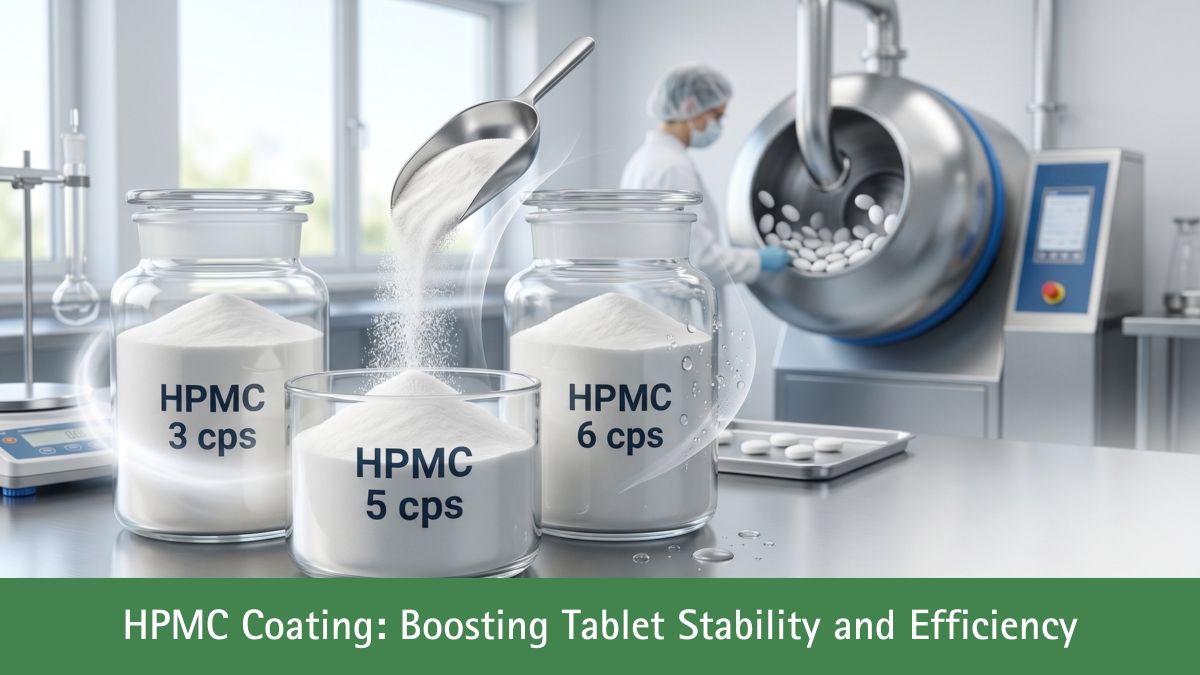
Low viscosity grades such as HPMC 3 cps, HPMC 5 cps, and HPMC 6 cps are ideal for coating applications.
Pharcos Speciality’s Pharcocel® range ensures uniform coating performance with excellent film-forming properties.
What Is the Role of HPMC in Capsule Formulations and Vegetarian Capsules?
HPMC is increasingly used in vegetarian capsules as an alternative to gelatin.
Key Benefits:
- Plant-based and suitable for vegan consumers
- Stable across varying humidity conditions
- Compatible with a wide range of APIs
HPMC capsules provide:
- Better stability compared to gelatin
- Improved shelf life
Pharcos Speciality supplies high-quality HPMC suitable for capsule shell manufacturing and filling applications.
How Is HPMC Used in Liquid and Topical Pharmaceutical Formulations?
HPMC acts as a thickener and stabilizer in liquid formulations.
Applications:
- Syrups and suspensions
- Eye drops
- Topical gels and creams
Key Functions:
- Controls viscosity
- Prevents sedimentation
- Enhances product consistency
Grades like HPMC 15 cps and HPMC 50 cps are commonly used in these formulations.
Pharcos Speciality ensures consistent rheological properties for optimal formulation performance.
How Do Different Viscosity Grades of HPMC (3 cps to 200000 cps) Affect Pharmaceutical Applications?
HPMC grades are defined by their viscosity levels, which determine their functionality.
Low Viscosity (3–15 cps):
- Used in film coating and liquid formulations
Medium Viscosity (50–4000 cps):
- Used in tablets and suspensions
High Viscosity (15000–200000 cps):
- Used in controlled-release formulations
For example:
- HPMC 4000 cps → sustained-release tablets
- HPMC 100000 cps & HPMC 200000 cps → advanced drug delivery systems
Pharcos Speciality offers a full viscosity spectrum, enabling precise formulation control.
Our Other Product
HPMC 200000 cps - CR Grade Hydroxypropyl MethylcelluloseWhy Is Pharmaceutical Grade HPMC Preferred Over Other Excipients?
HPMC is preferred due to:
- Non-toxic and non-irritant properties
- Excellent film-forming ability
- Compatibility with various APIs
- Stability across temperature and pH ranges
Unlike some excipients, HPMC provides both functional and regulatory advantages, making it ideal for modern drug formulations.
How Does HPMC Support Controlled and Sustained Drug Release Systems?
HPMC is widely used in controlled-release formulations.
Mechanism:
- Forms a gel barrier upon hydration
- Controls drug diffusion rate
- Ensures gradual drug release
This helps:
- Reduce dosing frequency
- Improve patient compliance
- Maintain consistent therapeutic levels
High-viscosity grades like HPMC 15000 cps and HPMC 100000 cps are commonly used for such systems.
Why Is Choosing the Right HPMC Manufacturer Important for Pharmaceutical Applications?
Selecting the right HPMC manufacturer ensures:
- Consistent product quality
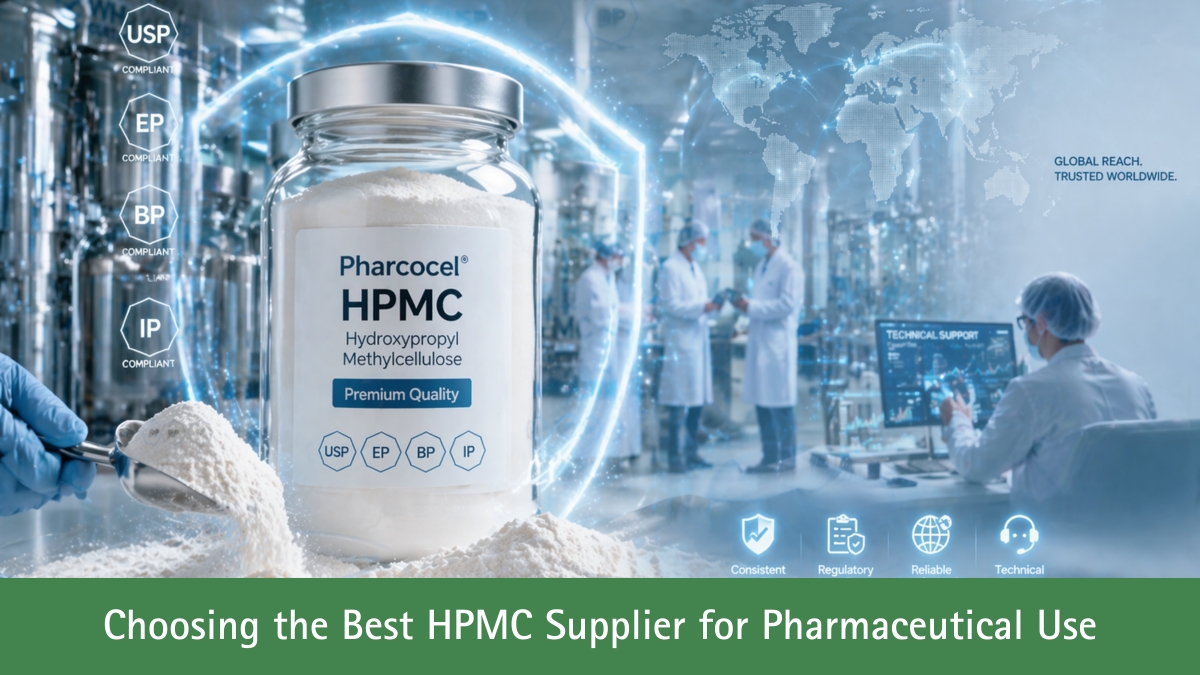
- Regulatory compliance (USP, EP, BP, IP)
- Reliable supply chain
- Technical support
Pharcos Speciality stands out as a trusted manufacturer offering:
- Pharcocel® HPMC range
- WHO-GMP certified facilities
- Global export capabilities
This ensures pharmaceutical companies receive high-quality excipients for regulated markets.
How Does Pharcos Speciality Add Value as a Pharmaceutical Grade HPMC Supplier?
Pharcos Speciality plays a key role in supporting pharmaceutical manufacturers.
Key Advantages:
- Wide range of HPMC grades (3 cps to 200000 cps)
- Multi-pharmacopeial compliance
- Advanced manufacturing infrastructure
- Custom solutions for formulations
Our Pharcocel® HPMC is widely used in:
- Tablets
- Capsules
- Liquid formulations
- Controlled-release systems
With strong R&D and global presence, Pharcos ensures consistent quality and innovation.
What Are the Key Benefits of Using HPMC in Pharmaceutical Formulations?
HPMC offers multiple benefits:
- Versatility across dosage forms
- Improved drug stability
- Controlled drug release
- Enhanced patient compliance
- Compatibility with plant-based formulations
These advantages make HPMC one of the most widely used pharmaceutical excipients globally.
 Get It Now!
What Are the Future Trends of HPMC in Pharmaceutical and Nutraceutical Industries?
Emerging trends include:
- Growth in vegetarian capsules
- Increased use in controlled-release systems
- Expansion in nutraceutical formulations
- Demand for sustainable excipients
HPMC is expected to remain a critical excipient in the evolving pharmaceutical landscape.
Conclusion: Why Pharmaceutical Grade HPMC Is Essential for Modern Drug Formulations?
Pharmaceutical Grade HPMC is a highly versatile and reliable excipient used across tablets, capsules, and liquid formulations. Its ability to enhance stability, control drug release, and support plant-based formulations makes it indispensable.
With trusted HPMC manufacturers like Pharcos Speciality, pharmaceutical companies can access high-quality, compliant, and customizable HPMC solutions that meet global standards and evolving formulation needs.
Our Other Product
HPMC 100000 cps - CR Grade Hydroxypropyl Methylcellulose | HypromelloseFAQs on Pharmaceutical Grade HPMC
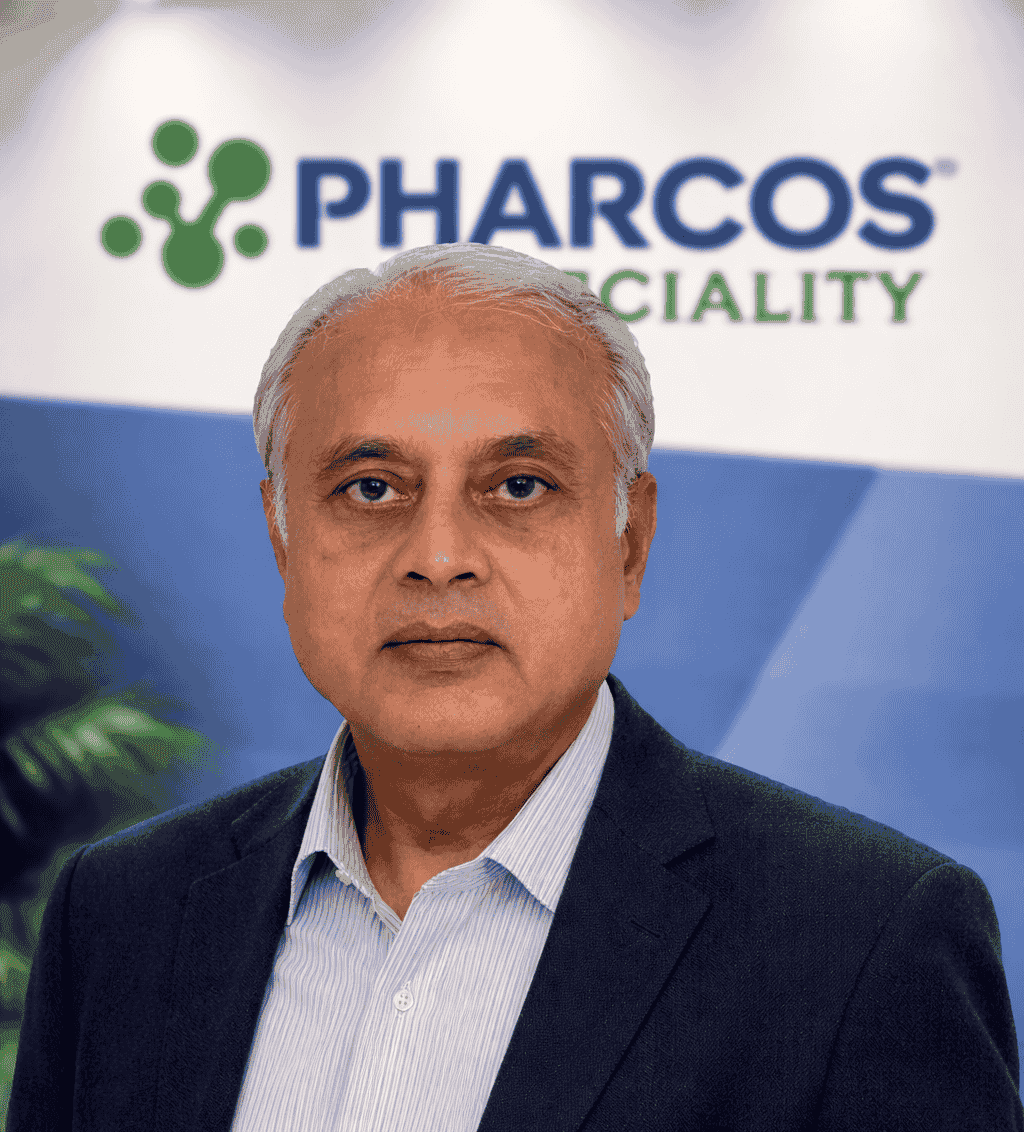
Dr. Avinash Dubey (R&D Head)
Dr. Avinash Dubey is a PhD in Organic Chemistry with a distinguished career spanning more than four decades. As the head of R&D at Pharcos, he focuses on the development of novel molecules for a wide array of industrial sectors, blending long-standing experience with a passion for innovation.

Mr. Ankit Shah (Managing Director)
Mr. Ankit Shah has led Pharcos Speciality for over three decades, establishing it as a pioneer in specialty chemicals. He currently directs the company’s strategic expansion into the APIs, Excipient and Speciality Surfactants markets, upholding a steadfast commitment to "Make in India" and world-class manufacturing quality and new product development.